Fellas,
Long before courtrooms, calendars, custody schedules, or even language, men learned one lesson the hard way. If you didn’t read danger early, you didn’t survive.
In prehistoric times, life was simple in one brutal sense. You woke up. You assessed the world.
You decided whether today was a day to hunt, to hide, or to run. Your instincts didn’t debate.
A shadow moving the wrong way meant predator. A sound out of rhythm meant threat. A moment of hesitation could mean you didn’t make it back to the fire.
There was no time for sadness. No room for reflection. Anger, fear, readiness, aggression, those were tools. They kept you alive.
That wiring didn’t disappear when we built homes, language, or cities. It stayed. We just stopped calling it survival and started calling it stress.
The Instinct That Never Left
The modern world likes to pretend we’re rational creatures who think our way through everything.
We aren’t.
Your body still scans for threat the same way it did thousands of years ago. The only difference is that the threats no longer have teeth or claws.
Now they come as custody schedules, court emails, tone shifts from an ex, last-minute changes, and the pressure of knowing one wrong move can cost access to your kids.
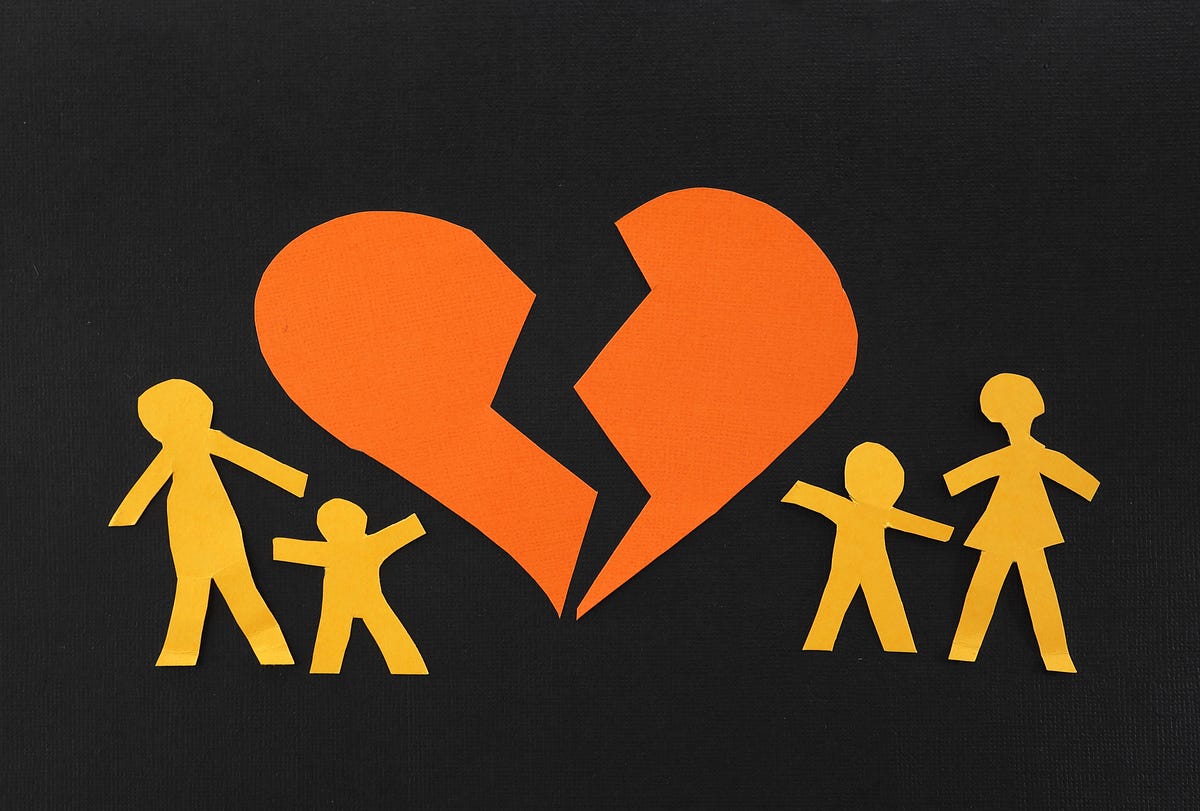
When family structure breaks, it doesn’t register as a “life transition.” It registers as danger. because Something is at risk. Your children. Your role.
Your instincts wake up. Anger arrives fast. It protects from threat. It’s the shield. And shields are useful when arrows are flying.
So imagine this moment:
The arrows are already in the air. They come as deadlines that don’t care how stable you are. Calendar changes. Child support. Each one lands with a thud against the shield you’re holding, and you brace instinctively, doing what any good soldier would do.
You hold the line.
But no one is meant to live on the battlefield forever. So you retreat slowly, carefully back toward the walls.
The castle rises behind you, stone by stone, built over time for exactly this reason. To keep danger out. To give you something solid when the world starts firing.
Inside the walls, the noise dulls. The ground feels steadier. You lower the shield just enough to breathe. This is where many men stay because the walls work.
But castles were never meant to be sealed forever. Because what protects you from invaders can also isolate you from allies. Not physical isolation, you still show up.
You still work. You still parent. But mentally, you’re alone inside the walls. No one sees the full map of what you’re carrying. You’ve trained yourself not to need backup.
The danger just changes location. The enemy is no longer the arrows flying from the outside. It’s the tension that never leaves your body. And then, quietly, the enemy within arrives.
It sounds like:
“You should’ve handled that better.”
“If you were stronger, this wouldn’t bother you.”
“This is your fault at least partly.”
“You don’t get to complain. You chose this.”
You start policing your own emotions the way the outside world once did. Every reaction is questioned. Shame becomes the new guard at the gate.
Your threat response doesn’t care about metaphors. It only knows whether the threat has resolved. And an unresolved threat doesn’t vanish it settles.
In early human life, the predator didn’t come once and disappear forever.
You didn’t defeat danger and then live peacefully ever after. You survived today. And tomorrow, there was another one.
You could kill one predator. But the forest was still full of teeth. That hasn’t changed. What changed is the costume.
Reclaiming Predator Energy (Without Becoming the Villain)
Predator energy is contained, directional, and patient. It doesn’t explain itself or look for approval.
When a man has been living in prey posture for a long time, The moment he feels pressure, his system jumps to one of two extremes:
Collapse (comply, go quiet, disappear)
Explosion (snap, argue, burn bridges)
Neither is power. Predator energy lives in the middle. It’s the ability to hold your ground without raising your voice.
Not every issue deserves your energy. Before engaging, it’s worth asking whether it actually protects your relationship with your children or your health. If it doesn’t, let it pass.
This matters most with estranged or disrespectful kids, where chasing only creates pressure. What builds safety instead is steady availability.
Brief check-ins without expectation: “Thinking of you today.” Open invitations without pressure: “I’ll be around if you want to talk.”
You’re not pursuing or proving, you’re holding your ground with the door open.
When pressure starts stacking; court orders, schedule changes, demands that come wrapped in urgency, your body reads these as intrusions. Threat. Loss of ground.
The instinct is to react. Predator energy is the opposite of that reflex. It’s restraint. It’s delaying instead of deciding under pressure.
It’s recognizing that some regret comes from answering too fast. A simple pause, Let me think about that. I’ll get back to you...
That steadiness matters in legal systems too; being boring, factual, patient, and regulated keep you on high ground.
Predators choose when to move, and they rest when the moment passes. Men aren’t meant to do this alone either.
Isolation sharpens fear, but community steadies judgment, sometimes predators hunt in packs for a reason. And they don’t carry every missed hunt in their memory.
When a father learns to slow the moment, calm his body, speak with clarity, and outlast pressure without losing his shape, his children don’t feel managed.
They feel anchored. And that’s the kind of presence they return to. In the wild, prey survives by reacting. Predators survive by choosing when to move.
But fatherhood and life after fracture requires something deeper than either role.
It requires endurance. It’s the ability to absorb pressure and remain intact.
When a man reclaims predator energy, he isn’t just becoming sharper.
He’s becoming steadier. Less rushed. Less reactive. More deliberate.
That’s where endurance lives. And that’s where the next shift begins.
Because the goal was never to abandon the castle.
The goal is to learn when to open the gate.
Until next time
Barkim

Quotes:
“The mind grows sharper when it learns to sit with what it cannot control.”
“A person’s depth is revealed in how they respond when no one is watching.”
“Clarity arrives when noise loses its power over you.”
“Strength is often the quiet choice to stay steady when the moment shakes you.”
“The hardest lessons are the ones that reshape you without asking permission.”
“Peace begins the moment you stop arguing with what already is.”
“A calm voice can move mountains that force never could.”
“Growth hides inside the decisions you postpone the longest.”
“The truth you avoid becomes the teacher you eventually need.”
Health/Tools:


News/Info: