Fellas,
One of my customers on my route passed away last week.
He wasn’t that much older than me. Looked healthy, too. A man still in his prime, but he always seemed angry.
Not loud angry. Just… compressed. Like life had been pushing on him so long he forgot how to unclench. Sometimes I’d hand him his mail, and he’d barely look at me.
When he did decide to speak it was to complain. Whether, about the government, the mail, the neighborhood. If it rained, he cursed the sky. If it was sunny, he cursed the heat.
Once, he snapped over a misdelivered catalog that wasn’t his. Something in his eyes told me that argument wasn’t about the mail.
I thought that’s just who he was.
But when he stopped showing up, I found out he’d been sick. Dying, actually. Maybe the anger wasn’t about the world. Maybe it was about losing control of it. His body was failing him, and rage was the last thing that made him feel alive.
That sat with me. I thought about how many men walk around like that. Short-tempered, half-alive.
Not because they hate the world, but because something inside them is breaking, and they don’t know how to say it out loud. I know that feeling too well. Sometimes, we rage to protect what’s left.
Redefining What Success Looks Like After Loss
After my divorce, I remember feeling like a failure. Not just because I lost the relationship but also because I lost time. And that pissed me off. Every divorced dad knows what that means.
You start counting hours like currency. Every weekend visit, every missed call, every text that takes too long to come back. It all feels like evidence that you’re losing ground.
It’s frustrating. You come home to a quiet house and turn on the TV just for noise. So, you work overtime to fill the hours but end up resenting the job you used to like.
You pick fights over small things. Parking, a tone of voice, that slow kid at the Deli.
We measure fatherhood by access, but that’s not the same as impact. You can’t always control how much time you get. But you can control who you are when you get it.
That’s success after loss. Not the schedule, but the steadiness. Not the number of days, but the quality of your presence inside them. Even if your child doesn’t see you much, they can still feel you in your consistency, your tone, your rituals.
That’s how presence outlives proximity. And influence doesn’t come from anger. It comes from being the calm your child can trust when everything else is unstable.
Show your son that calm is strength.
He’s not learning from your lectures; he’s learning from your breathing.
How you drive, how you argue, how you handle stress, that’s his manual for manhood.Define success differently.
If success used to mean “being there every day,” but now it means “being present every time,” you haven’t lost, you’ve adapted.Replace toughness with truth.
When you say, “I’m fine,” but you’re not, your son learns that honesty is optional.
When you say, “That hurt, but I’m okay,” he learns that emotion isn’t weakness, it’s wisdom.Move your body.
You can’t outthink anger. You have to move it.
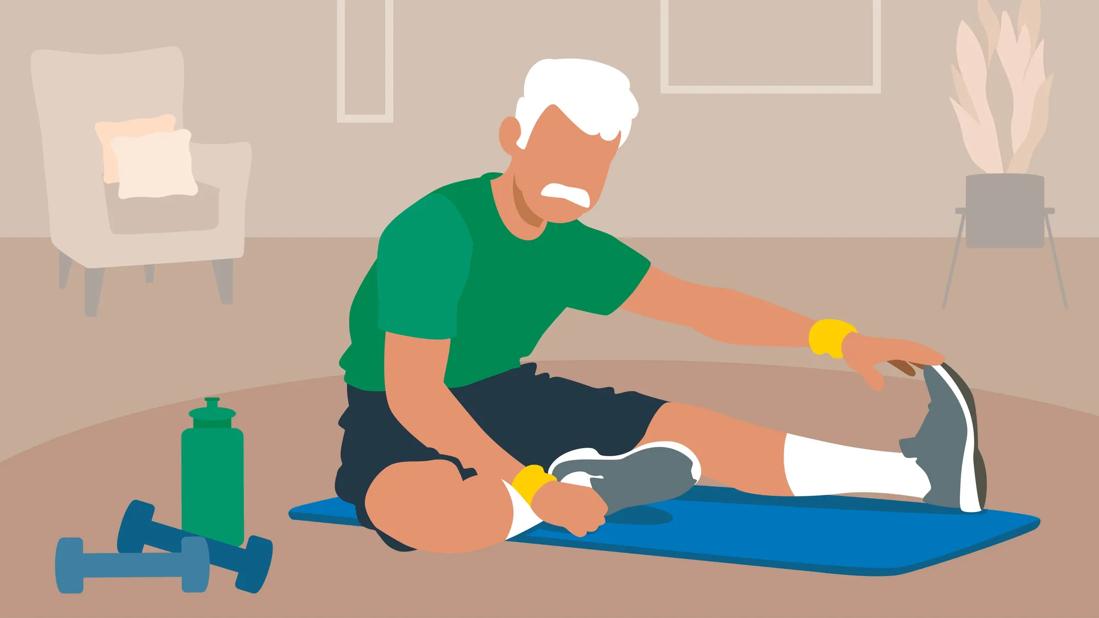
Run, lift, box, stretch. Teach your body to burn emotion clean.Forgive your own process.
Anger doesn’t make you bad. It makes you human.
What you do next determines whether it becomes destruction or direction.
The Language of Unspoken Things
Every man feels that tightening somewhere inside him long before he can name what it is. Not the big breakdown that’s visible or dramatic.
I mean the quiet fracture, the one that happens when you realize the world won’t go back to how it was. When you lose time with your kid, your marriage, your rhythm.
A text that never comes. An ex who twists your words or uses your silence as proof that you don’t care. Hearing your son say something and realizing your voice has been replaced in his mind.
Those things don’t come all at once. They build steadily, like mail piling up behind a locked door.
Anger is the only emotion that feels like it doesn’t take your power away. Ironically, when you let anger drive, you lose power faster than anything else.
When you can name what you feel, you stop fighting shadows. You start addressing causes. You move from being reactive to being intentional. That’s the difference between yelling and leading.
I used to think my job as a dad was to make my son tough.
I told him, if something scares you, fight it.
But what I was really saying was, I don’t know how to sit with fear either.
It took me years to realize that what my sons need is not just toughness. It’s range. But here’s the catch, they can’t learn that if I can’t model it.
You can’t teach calm if you never practice it. And that’s the uncomfortable truth. Your emotional control is not for you; it’s for everyone you lead.
That’s why anger has to be guided. Not suppressed, not erased. Trained.
The men at the VA have a saying for this in their AIMS anger-skills program:
“The body knows you’re angry before your brain admits it.”
“The first step to managing anger is noticing what lights the fuse, the people, situations, and thoughts that get under your skin.”
“You can’t control every trigger, but you can control how quickly you recognize it.”
“Anger doesn’t just happen; it builds. The earlier you spot it, the more options you have.”
Before you explode, your jaw tightens. Your hands clench. Your pulse speeds up.
Your body warns you every time.
Anger clouds direction.
But once you learn to translate what it’s trying to say, even the noise starts to make sense.
An Angry Man’s Legacy
No one wakes up one day and says, I think I’ll die bitter. It happens slowly.
Through years of holding back words you should’ve said. Through decades of using anger as armor. But the body keeps score. And eventually, the armor turns inward.
Anger itself isn’t evil. It’s information. It’s your nervous system saying, something matters here. But without training, we mistake the alarm for the fire.
That’s what the VA guys call Cue Detection. Learning to notice when anger’s starting before it chooses for you. It’s the emotional version of casing mail.
Sorting, labeling, deciding what goes where. You slow down enough to feel the weight before you throw it. They teach veterans to make an anger plan.
List your triggers, your cues, your exits, your replacements.
Anger is seductive because it’s fast. When you’re angry, you feel powerful, at least for a moment. It’s easier to stay angry than feel broken.
But the longer you do that, the smaller your world becomes. You stop calling people back. You stop trying with your kids. You stop trusting anyone who reminds you of what you lost.
Anger hardens everything. Your tone, your habits, your relationships until you become a fortress no one wants to enter.
The Route Back
We think about conquering anger like it’s some grand, distant mountain, but most of the battles happen in parking lots, kitchens, and courtrooms.
It’s when your ex sends a message meant to draw blood and you delete your response instead of sending it.
It’s when a driver cuts you off, and you grip the wheel tighter but keep your eyes on the road.
It’s when your kid rolls their eyes, and instead of barking back, you step out of the room, breathe, and come back steady.
It’s also when the system feels stacked against you, and you still show up on time, pay what you owe, and refuse to let bitterness steal your dignity.
That’s control.
Most men will never be congratulated for the moments they don’t react, but those are the ones that define you. You’re already doing the work.
You just don’t see it because no one applauds the calm. But the calm is where the man is built.
Every day on my route, I handle hundreds of small deliveries. Some go to the right place. Some get sent back. Some come with no return address at all.
But I’ve learned something from the rhythm of it. Not everything that shows up belongs to me.
Anger’s the same way.
It arrives like mail. Sometimes expected, sometimes not, but I don’t have to “open” every envelope. I don’t have to carry every package.
I can choose which ones to set aside, which ones to mark return to sender.
That’s what emotional regulation really is. Sorting what’s yours from what’s not. Most of the things that get dropped at your feet each day don’t belong to you.
Someone’s tone, someone else’s story, someone’s judgment. You can feel them, but you don’t have to absorb them.
Those who learn that, are the ones who stay steady. And that steadiness becomes their strength.
You don’t need to be perfect to be powerful. You just need to be present long enough for the storm to pass.
Your son (or daughter) doesn’t need a superhero; they need a man who can stand still while the world shakes.
And if you can do that, then you’re already winning.
So when tomorrow comes, and something small tries to knock you off rhythm.
Remember, not every piece of mail deserves to be carried home.
Until next time,
Barkim

Quizzotes:
“Life is made of ever so many partings welded together.” - Charles Dickens
“The way to get started is to quit talking and begin doing.” - Walt Disney
“Life becomes easier when you learn to accept the apology you never got.” – Robert Brault
“Every day is a chance to change your story.” - Unknown
“Wisdom begins in wonder.” - Socrates
“A loving heart is the truest wisdom.” - Charles Dickens
“Sometimes the questions are complicated and the answers are simple.” - Dr. Seuss
"Knowing others is intelligence; knowing yourself is true wisdom." - Lao Tzu
"It is not that we have a short time to live, but that we waste much of it." -Seneca
"Wisdom begins in wonder." - Socrates
Heath/Tools:

News/Info: