Fellas…
The boy grew up in a house where love wasn’t loud.
His father rose before dawn, worked until his hands cracked, and spoke mostly in instruction. Praise was rare. Silence was common.
The boy came home late one afternoon with a split lip and his shirt torn at the shoulder. His father didn’t ask what happened at first.
He washed his hands, pulled a chair closer, and looked at the damage. “Did you run?” he asked. “No.” His father nodded once. He cleaned the cut, taped it, and said,
“Then you’ll heal.”
The boy learned early that endurance mattered more than comfort. He also learned that whatever lived behind his father’s eyes was not meant to be discussed.
As he grew, that distance hardened into resentment. He ran from the house whenever he could. He drank young and chased danger. When he discovered boxing, it became his escape. Pain made sense there. Discipline had rules.
He trained before sunrise, in the cold, past the point where his body trembled and his lungs burned. When the Army came calling, he went without hesitation. He spent twelve years there.
He survived things no one should have to survive. Hunger. Isolation. Violence. Days that stretched so long they lost their names. Nights where sleep felt more dangerous than staying awake.
He endured because endurance was the only language he knew. When he finally came home, the world called him strong.
He had land. He had money. He looked successful.
Inside, he was unraveling. He drank to quiet his dreams. He lashed out at the people who tried to love him. He woke up angry and went to bed ashamed.
The strength that had carried him through war turned inward and began to rot. And beneath all of it lived an old belief he had never questioned; he was built to endure. He was not built to be held.
For years, he blamed his father for that belief. That resentment hardened into resolve. The refusal to be coddled became a refusal to disappear. When he did put the bottle down, it wasn’t because he felt supported.
It was because endurance was the only tool he trusted. Sobriety didn’t begin with comfort. It began with survival. Then life began to corner him in quieter ways.
After a long stretch of staying upright, he lost work he cared about. Not in a dramatic collapse, but in a slow unraveling.
Meetings stopped coming. Calls went unanswered. The work thinned until it was simply gone. The loss hollowed him out.
He stopped returning messages, skipped gatherings, and let even small interactions feel heavier than they should have.
One evening, sitting alone in the quiet, something unsettled him. He realized he was repeating the very thing he had once called abandonment. Holding it in.
He remembered his father being there without making a show of it. Standing at the back of events. Fixing what was broken without asking for credit. Sending money when times were tight and never mentioning it again.
For the first time, he considered the possibility that silence was not absence. Sometimes it was weight-bearing. The thought stayed with him. Years later, when he had children of his own, the lesson deepened.
One night, exhausted beyond language, he watched his child melt down over nothing and everything. No reasoning worked. No explanation landed. So he did the only thing that felt possible.
He sat down nearby. He stayed. He said nothing. And in that stillness, something inside him cracked open. That was his father.
Not the lectures he never gave. Not the comfort he never voiced. But the staying. The boy he had been finally understood the man he had judged.
Not because the past changed. But because his capacity to see it did. When his mother died, the silence between him and his father grew louder.
The distance began to hurt more than the history. He realized something simple and terrifying: There might not be unlimited time to be right.
So he reached out, awkwardly. Without speeches. Without demands.
“I don’t really know how to do this,” he said. “But I don’t want you gone too.” Their relationship did not reset. It restarted.
There were no grand apologies. No rewriting of the past. Just small repairs made in the present. The man did not need his father to explain himself anymore.
He did not need the past to soften in order to move forward. He no longer needed to win an argument that ended decades ago.
When his father grew old, the man visited more often. Fixed small things around the house. Sat longer than before. Said little. Stayed close.
Not because the past disappeared, but because the meaning of it finally changed. In so many father-child stories that endure pain and estrangement, the most powerful truth is this. A relationship lost is not always a future gone.
No matter how deep the rift feels, reconnection can still be part of the story, sometimes years later, and sometimes in ways neither party expected.
That may sound like hope, but it is also a fact supported by evidence.
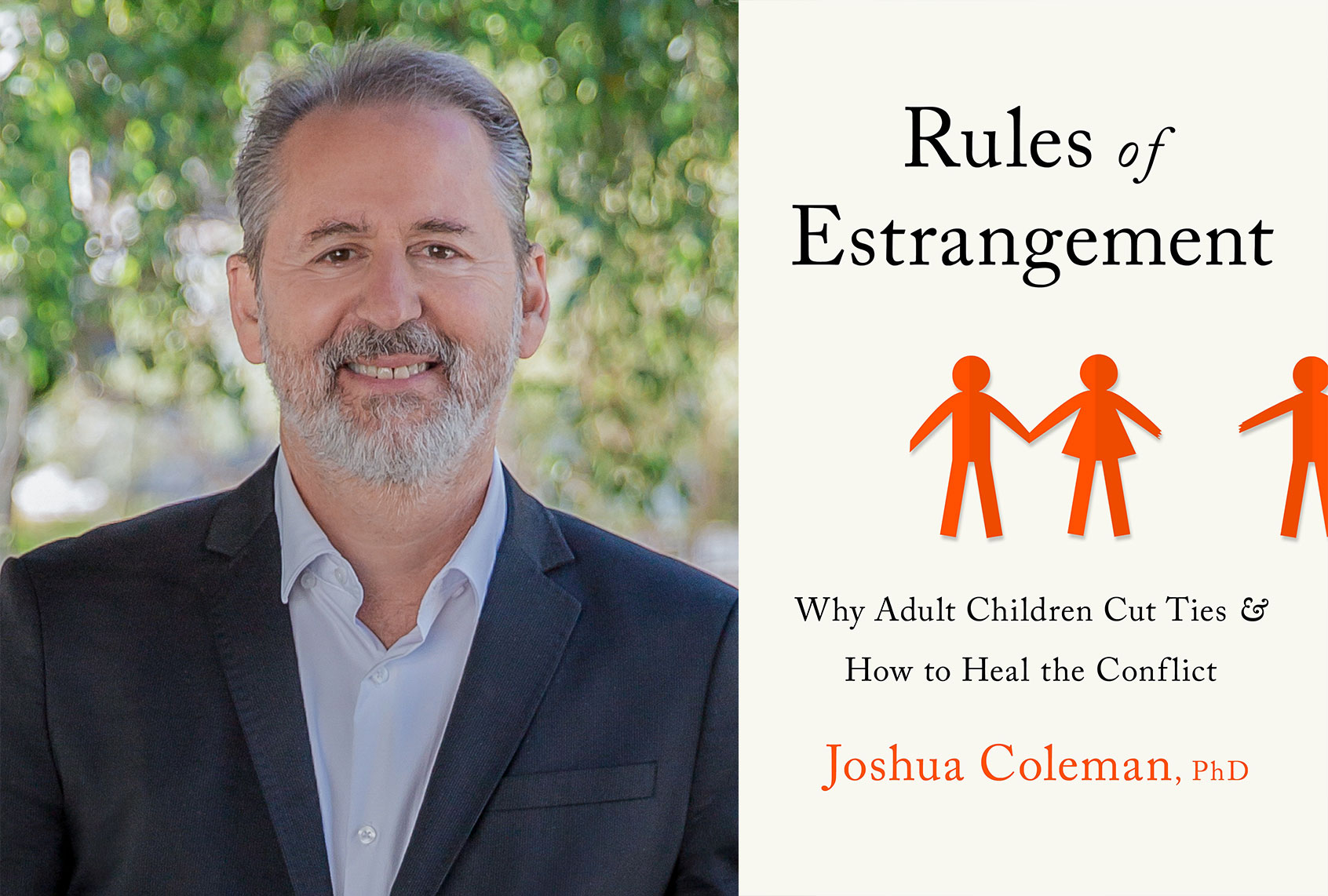
Large-scale research shows that most adult children who become estranged do not stay estranged forever. In national surveys, approximately 69% of adult children who had cut ties with their fathers eventually reconciled at some level, even if contact had lapsed for years. Parental Estrangement | Newport Institute Resources
Reconnection usually unfolds in steps.
Progress may look slow, uneven, or indirect.
Most reconciliations happen because people grow, not because pain vanishes.
And this matters because it challenges one of the deepest fears many fathers carry:
“If my child walked away, maybe they never come back.” The data shows they often do.
Why Reconnection Is More Possible Than It Feels
Most estrangements do not happen all at once. They build slowly through years of hurt, distance, and missed understanding.
Adult children rarely walk away on impulse. They leave after carrying strain for a long time. And that is exactly why reconnection remains possible.
Estrangement is usually a barrier, not an erasure of love.
Accept limited contact if that’s what is offered.
Consistency matters more than intensity.
Showing you can honor boundaries builds trust over time.
As time passes, life changes people. Aging, parenthood, loss, failure, and responsibility soften old edges. Many adult children return not because the past vanished, but because their understanding grew.
Across reconciled families, the same pattern shows up again and again: the pain of distance eventually outweighs the pain that caused it.
Even when contact stops, emotional influence often does not. Adult children frequently remember effort long before they can name it. Small, steady acts of care continue shaping identity years later.
Fathers who stayed emotionally invested, even from a distance, often become reference points when their children are ready to return.
This is not wishful thinking. Long-term research consistently shows reconciliation is more common than permanent estrangement between fathers and children.
What slows it down most is not anger or fear. It is shame.
Guilt says, “I made a mistake.”
Shame says, “I am the mistake.”
Notice when guilt turns into self-attack.
Replace “I am the problem” with “I am learning.”
Shame blocks reconnection more than mistakes do.
Shame keeps Fathers replaying the past, questioning their worth, and assuming any attempt to reach out will only expose their flaws. But many adult children who distance themselves describe the same core pain, not being heard.
When reconnection is attempted from a place of self-defense or internal argument about blame, it often rebuilds the very wall that caused the distance. The fight happening inside a man’s mind can block the door back more than the original conflict ever did.
Silence, more often than not, is a pause. Not a goodbye. And pauses give space for growth. For perspective. For the kind of understanding that only comes after living a little longer inside your own skin.
Love may not always be loud, but staying is its own language. If you are a father standing in that pause right now, it does not mean you have failed. It means the story is still unfolding.
The work you did quietly. The effort no one applauded. The love you showed imperfectly but consistently. None of it vanished just because the line went quiet.
Reconnection rarely happens all at once. It happens because someone stayed human long enough for understanding to catch up.
So if today all you can do is stay steady, stay open, and keep living with integrity, that’s not waiting. That’s preparing.
And when the pause ends, as it often does, it will not be because you forced it. It will be because silence had finished speaking.
Until next time,
Barkim

Quotes:
“He that can have serenity in the midst of chaos possesses great strength.” – Confucius
“The two most powerful warriors are time and silence.” – Leo Tolstoy
“Rivers know this: there is no hurry. We shall get there someday.” – A.A. Milne
“All things come to him who waits.” – François Rabelais
“Time discovers truth.” – Seneca
“The strongest of all warriors are these two — time and perseverance.” – Leo Tolstoy
“To know oneself is the beginning of all understanding.” – Aristotle
“Endurance is nobler than strength, and to bear is greater than to do.” – John Ruskin
Health/Tools:




News/Info: